 Click here to leave us a review!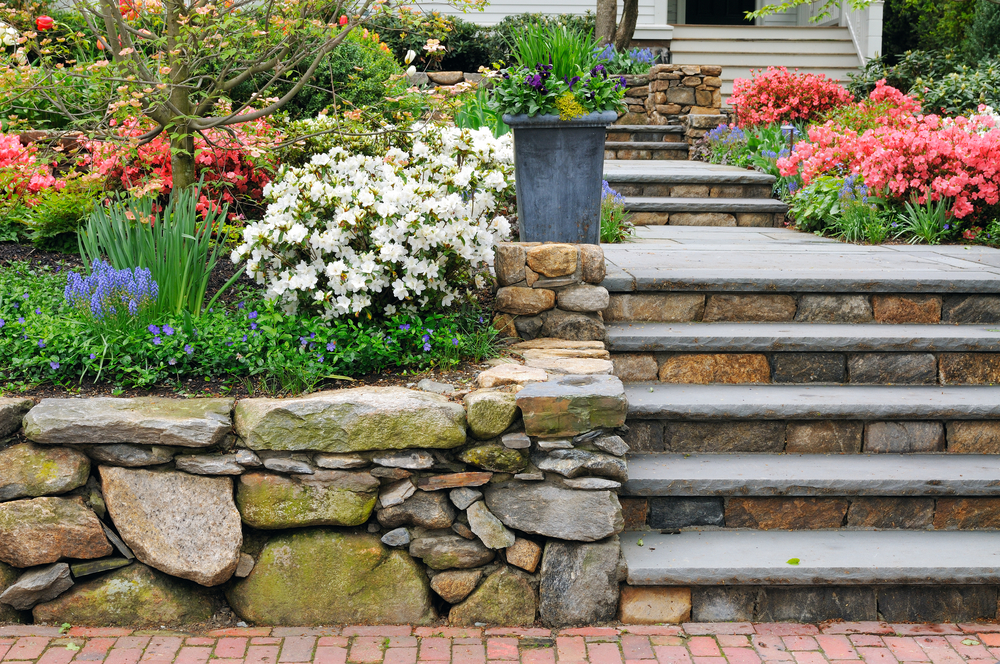
Hardscaping vs. Landscaping: Understanding the Difference In Oregon City, OR
August 27, 2026 5:21 pm Leave your thoughtsOregon City properties have to balance outdoor beauty with practical challenges such as rainy winters, drier summers, slopes, drainage, and changing soil conditions. Whether you are improving a backyard near Canemah or updating a property closer to Park Place, understanding the difference between hardscaping and landscaping can help you make better decisions.
Quick answer: Landscaping generally refers to the living and planted parts of an outdoor space, including lawns, trees, shrubs, and garden beds. Hardscaping covers nonliving features such as patios, walkways, retaining walls, and other constructed surfaces. Most functional outdoor spaces in Oregon City use both, with hardscaping providing structure and landscaping adding greenery, shade, color, and seasonal interest.
What local property owners should know
-
Hardscaping creates permanent or semi-permanent structure through features such as patios, paths, and retaining walls.
-
Landscaping focuses primarily on plants, lawns, planting beds, and other living elements.
-
Oregon City’s wet season makes drainage and water movement important considerations when planning either type of improvement.
-
Sloped properties around Clackamas County may require more attention to grading, erosion, and retaining features.
-
The best outdoor designs usually plan hardscape and landscape elements together rather than treating them as unrelated projects.
Why Do Hardscaping and Landscaping Matter in Oregon City?
Hardscaping and landscaping matter in Oregon City because each addresses a different part of creating an attractive, usable, and manageable outdoor space. Hardscape features establish circulation, gathering areas, boundaries, and structure, while living landscape elements soften those surfaces and help a property fit naturally into the green character of the Willamette Valley.
The distinction is especially useful locally. Rainfall during the wetter months can expose drainage problems, while dry summer periods change irrigation and plant-care needs. Hills and elevation changes can also make the placement of walkways, patios, beds, and retaining features more important.
North West Landscape Care helps local property owners consider these outdoor elements as parts of one larger space. We can look at how different features interact so that improvements are planned around the property’s practical needs as well as its appearance.
What Are Common Local Hardscaping and Landscaping Observations?
Common local observations include saturated areas during rainy periods, sloped yards that are difficult to use, worn lawn areas, drainage paths, and outdoor spaces that lack defined walking or gathering surfaces. These conditions can influence whether a property needs landscaping improvements, hardscape features, or a coordinated combination of both.
These are professional field considerations rather than claims based on a specific published local dataset. Conditions can vary substantially from one property to another.
For example, a hillside lot near South End may have very different grading concerns than a flatter residential property elsewhere in Oregon City. Properties closer to the Willamette River or Clackamas River corridors can also differ in terrain and site characteristics.
How Do Hardscaping and Landscaping Affect Your Property?
Hardscaping affects how people move through and use a property, while landscaping influences greenery, shade, visual character, and the transition between constructed areas and the surrounding environment. Together, they can turn an undefined yard into a more organized outdoor space suited to how the homeowner actually wants to use it.
A walkway can establish a clear route through a yard. A patio can create a defined gathering space. Planting beds can soften the edges of those constructed areas, while shrubs and other vegetation can provide visual separation.
Planning these features together also matters for water movement. Adding a constructed surface without considering surrounding grades and planting areas can change where rainwater travels.
What Signs Suggest Your Outdoor Space Needs Attention?
Signs that an outdoor space needs attention include standing water, erosion, deteriorating surfaces, difficult slopes, undefined walking areas, struggling plants, and spaces that no longer support how you use the property. Oregon City homeowners should pay particular attention to problems that become more obvious during extended periods of wet weather.
Watch for:
-
Water collecting beside patios, paths, or planting beds after rainfall.
-
Soil washing downhill or away from established landscape areas.
-
Cracked, shifting, or uneven hardscape surfaces.
-
Slopes that are difficult to mow, plant, or comfortably access.
-
Frequently worn or muddy routes through lawns.
-
Planting areas that consistently struggle because of site conditions.
-
Outdoor gathering spaces that feel disconnected from the home.
-
Retaining features that appear to be leaning, moving, or deteriorating.
When Should You Call a Landscaping Professional?
A landscaping professional should be considered when your project involves significant grading, drainage, retaining features, major site changes, or several landscape and hardscape elements that need to work together. Smaller tasks may be manageable for homeowners, but projects affecting water movement, slopes, structures, or large areas benefit from careful planning.
Homeowners can safely observe where water collects, note sun and shade patterns, identify heavily used walking routes, and think about how they want to use the yard.
Professional input becomes more valuable when correcting persistent drainage issues or integrating patios, paths, retaining features, and planting areas. Local terrain around Oregon City can make these interactions more complex than they first appear.
What Common Local Conditions Influence Landscape Design?
The most common local conditions influencing landscape design are seasonal rainfall, summer dryness, slopes, drainage patterns, soil conditions, and the existing layout of the property. These factors should guide decisions about both living landscape materials and constructed hardscape features throughout Oregon City and surrounding Clackamas County communities.
Wet-season drainage deserves particular attention because new surfaces can influence runoff. Slopes can affect accessibility, erosion, and usable space. Summer conditions matter because plant selections and maintenance requirements need to remain practical when rainfall decreases.
Existing trees, established planting beds, neighboring properties, and the relationship between the home and yard should also be considered before changing the site.
How Can You Maintain Hardscaping and Landscaping?
Maintaining hardscaping and landscaping requires regular inspection, seasonal cleanup, plant care, and attention to drainage before small problems become more difficult to manage. In the Oregon City area, fall and winter are useful times to watch water movement, while spring and summer reveal plant health, irrigation needs, and heavily used outdoor areas.
Remove debris that blocks intended drainage routes, monitor surfaces for movement, and watch for erosion around hardscape edges. Keep vegetation from overwhelming paths and gathering spaces.
DIY maintenance can include cleanup, basic pruning, and visual inspections. Significant settlement, retaining concerns, major drainage problems, or extensive redesign should be evaluated before attempting a quick fix.
What Results Can You Expect From a Well-Planned Outdoor Space?
A well-planned outdoor space should provide clearer circulation, more usable areas, appropriate planting zones, and a better relationship between constructed features and living landscape elements. Results depend on the property’s terrain, existing conditions, chosen materials, maintenance needs, and the scope of work rather than simply adding more plants or more hardscape.
A successful plan might make a previously awkward slope easier to navigate, define a backyard gathering area, or organize planting beds around established paths.
The goal is not necessarily to maximize hardscaping or landscaping. It is to determine the right balance for the property and the people using it.
What Mistakes Should Oregon City Homeowners Avoid?
Oregon City homeowners should avoid planning patios, paths, retaining features, lawns, and planting beds independently because every change can affect drainage, maintenance, circulation, and the appearance of the overall property. A coordinated plan is usually more practical than choosing individual improvements without considering how they interact.
Mistake: Ignoring drainage.
Consequence: Water may collect or move toward areas where it creates problems.
Better approach: Consider grades and water movement before changing surfaces.
Mistake: Choosing plants before evaluating the site.
Consequence: Plants may be poorly matched to sun, moisture, or available space.
Better approach: Evaluate site conditions first.
Mistake: Hardscaping too much of the yard.
Consequence: The property may lose useful planting opportunities and feel overly constructed.
Better approach: Balance functional surfaces with appropriate greenery.
Mistake: Focusing only on appearance.
Consequence: An attractive design may still be inconvenient to walk through or maintain.
Better approach: Plan around everyday use as well as visual appeal.
What Is a Common Oregon City Landscaping Scenario?
A common Oregon City scenario is a sloped backyard with a lawn or planting area that becomes difficult to navigate during wet weather and offers little defined space for outdoor use. This is an illustrative local scenario, not a North West Landscape Care case study or a description of a specific customer’s property.
Instead of treating the entire yard as a planting problem, the homeowner might consider whether a path, defined gathering area, retaining solution, or drainage improvement should establish the structure first.
Landscaping can then complement that structure with appropriate planting areas and greenery.
Which Services Can Help Improve an Outdoor Space?
The right service depends on whether the property needs better structure, healthier landscape areas, improved usability, or a combination of those goals. Hardscape planning can address constructed outdoor features, while landscape work can focus on lawns and planted areas, with coordinated planning helping the separate components function as one outdoor environment.
Before selecting individual improvements, it helps to identify the main problem. Is the yard difficult to use? Is water collecting? Is a slope limiting usable space? Does the property simply need clearer organization?
Should You Choose Hardscaping, Landscaping, or Both?
Choose hardscaping when your primary need is structure or usable surfaces, landscaping when your priority is living greenery, and both when you want a complete outdoor transformation. For many Oregon City properties, combining the two provides the flexibility to address circulation, gathering spaces, planting, seasonal appearance, and site-specific conditions together.
DIY work can make sense for small planting projects and routine maintenance. Professional planning becomes more useful as projects involve larger surfaces, grading, drainage, slopes, or multiple connected improvements.
Where Do We Serve Around Oregon City?
Our local service focus includes Oregon City and surrounding communities where property owners face many of the same Willamette Valley landscape conditions. Nearby areas such as West Linn and Beavercreek can share similar concerns involving wet-season drainage, sloped terrain, summer landscape care, and the challenge of balancing usable surfaces with planted areas.
Service availability for a particular address or project should be confirmed directly with us.
What Can Happen If Outdoor Problems Are Ignored?
Ignoring drainage, erosion, failing surfaces, or poorly planned landscape areas can allow manageable outdoor problems to become larger and more complicated over time. Local wet seasons can repeatedly expose weak drainage patterns, while neglected slopes or deteriorating hardscape may reduce usability and create additional maintenance needs around the property.
Not every cosmetic issue requires immediate work. However, visible movement, persistent standing water, significant erosion, or deteriorating retaining features deserve closer attention.
Frequently Asked Questions About Hardscaping and Landscaping
The most common questions about hardscaping and landscaping involve what belongs in each category, whether they should be planned together, and how Oregon City’s climate and terrain affect outdoor improvements. Understanding these basics can make it easier to set priorities before choosing materials, plants, or a specific project.
Is a patio considered hardscaping?
Yes. A patio is considered hardscaping because it is a constructed, nonliving part of the outdoor environment. Patios provide defined usable space and can be coordinated with paths, planting beds, lawns, and other features. Local planning should also account for grading and how rainfall moves around the finished surface.
Is a lawn considered landscaping?
Yes. Lawns are part of landscaping because grass is a living element of the property. Trees, shrubs, flowers, and other planted areas also fall into this category. In Oregon City, lawn planning should consider seasonal moisture, summer care requirements, sunlight, drainage, and how the lawn connects with surrounding hardscape.
Do Oregon City yards need both landscaping and hardscaping?
Not every Oregon City yard needs both, but many properties benefit from a thoughtful combination. Hardscaping can provide walking and gathering areas, while landscaping adds living vegetation and visual softness. The right balance depends on the size, slope, drainage, existing features, maintenance preferences, and intended use of the property.
Why is drainage important for hardscaping in Clackamas County?
Drainage is important because constructed surfaces and grading can influence how water travels across a property. During wet periods in Clackamas County, existing drainage patterns can become easier to identify. Hardscape planning should consider where runoff moves so that new features fit appropriately into the overall site.
Are retaining walls landscaping or hardscaping?
Retaining walls are generally considered hardscaping because they are constructed features rather than living landscape elements. They may also perform an important practical role on sloped properties. Because retaining conditions can involve soil pressure, drainage, construction requirements, and site-specific considerations, substantial retaining projects should be properly evaluated before work begins.
What should I plan first for an Oregon City backyard renovation?
Start by identifying how you want to use the space and what site problems need to be addressed. For an Oregon City backyard, that means looking at slopes, drainage, access, existing vegetation, sun exposure, and wet-season conditions before selecting individual features. Structural needs often help determine where landscaping should follow.
Can landscaping help soften a large hardscape area?
Yes. Planting beds, shrubs, trees, and other vegetation can visually soften patios, paths, retaining features, and other constructed surfaces. Around Oregon City, integrating greenery can also help an outdoor space feel more connected to the surrounding Willamette Valley landscape rather than treating planted and constructed areas as separate designs.
When is the best time to plan an outdoor project in Oregon City?
Planning can begin throughout the year, but different seasons reveal different information about an Oregon City property. Wet periods can make drainage patterns easier to observe, while spring and summer can show plant performance, sun exposure, and how outdoor areas are actually used. Project timing will depend on scope and site conditions.
Create a More Functional Oregon City Outdoor Space
Understanding where hardscaping ends and landscaping begins makes it easier to plan an outdoor space around your property’s actual needs. We can help you consider how structure, greenery, drainage, terrain, and everyday use fit together before you decide which improvements make sense.
Build an outdoor space that works with your property.
Tell us what you want to improve, and we can help you explore appropriate options for your local landscape.
Categorised in: Hardscaping, Professional Landscaping Services
This post was written by admin